Forza Horizon 6, Subnautica 2, and Over a Dozen Other Titles Arrive in a Packed Release Window
May 2026 is shaping up to be more crowded than any May release calendar in recent memory.
On May 5, Microsoft unveiled the first wave of new additions to Xbox Game Pass for the month — 13 titles in total. This came shortly after a significant price adjustment to the Game Pass subscription tiers: Ultimate dropped from 29.99to22.99 per month, while PC Game Pass fell from 16.49to13.99. When the price cut was first announced, a question lingered across the community: if the price goes down, will the content follow suit? The May lineup serves as Microsoft’s first formal answer.
Three Heavy Hitters Anchor the First Half of May
The three most anticipated titles in this wave span three entirely different genres — racing, shooting, and survival — covering a broad spectrum of player interests.
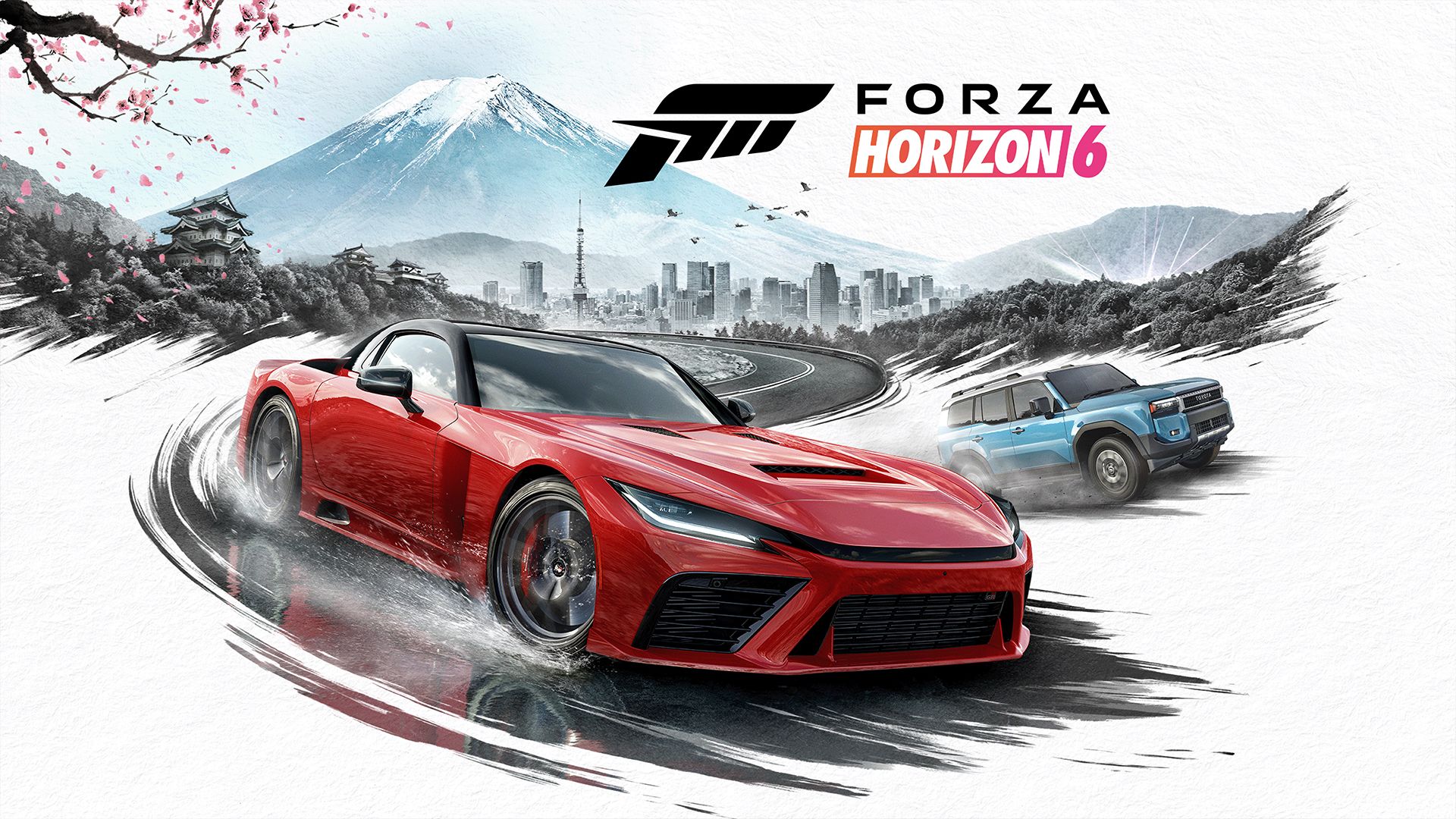
Forza Horizon 6 is set for full release on May 19, with Premium Edition players gaining early access on May 15. The Forza Horizon series found its rhythm with the fourth installment, and the move to Mexico in the fifth entry further validated the formula. The sixth installment shifts the festival to Japan — a location choice that alone is enough to energize the car enthusiast community. The neon-drenched tunnels of the Tokyo C1 Expressway, the relentless hairpin turns of Hakone and Mount Haruna (the real-world inspiration for Mount Akina in Initial D), and the bamboo-lined backroads of rural Kyoto have all been recreated on what is billed as the densest map in series history. The game launches with over 550 vehicles, the largest roster the series has ever seen. As one of Microsoft’s most important first-party titles of the year, Forza Horizon 6 will be available on Game Pass Ultimate and PC Game Pass on day one, requiring no additional purchase.

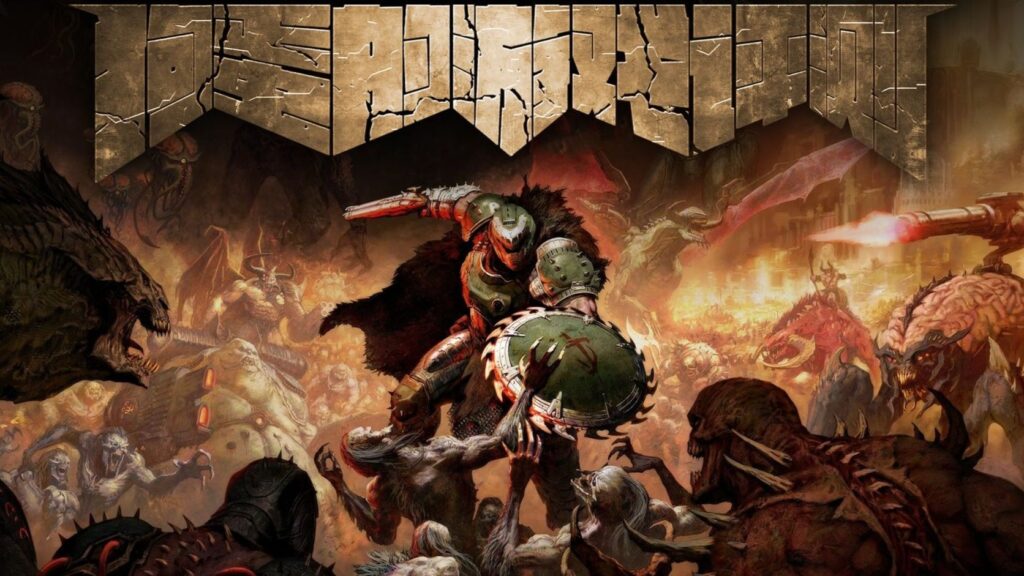
DOOM: The Dark Ages joins Game Pass on May 14. One notable change accompanies this release: the game’s availability has been extended to the Game Pass Premium tier for the first time, rather than being restricted to Ultimate subscribers. The DOOM franchise has been defined by fast-paced, high-intensity combat since its 2016 reboot, and The Dark Ages carries that tradition forward while transplanting the setting into something far more primal — players wield modern firepower against demons on medieval-style battlefields. The visual dissonance of this conceit generated considerable discussion from the first trailer alone.
DOOM: The Dark Ages joins Game Pass on May 14. One notable change accompanies this release: the game’s availability has been extended to the Game Pass Premium tier for the first time, rather than being restricted to Ultimate subscribers. The DOOM franchise has been defined by fast-paced, high-intensity combat since its 2016 reboot, and The Dark Ages carries that tradition forward while transplanting the setting into something far more primal — players wield modern firepower against demons on medieval-style battlefields. The visual dissonance of this conceit generated considerable discussion from the first trailer alone.
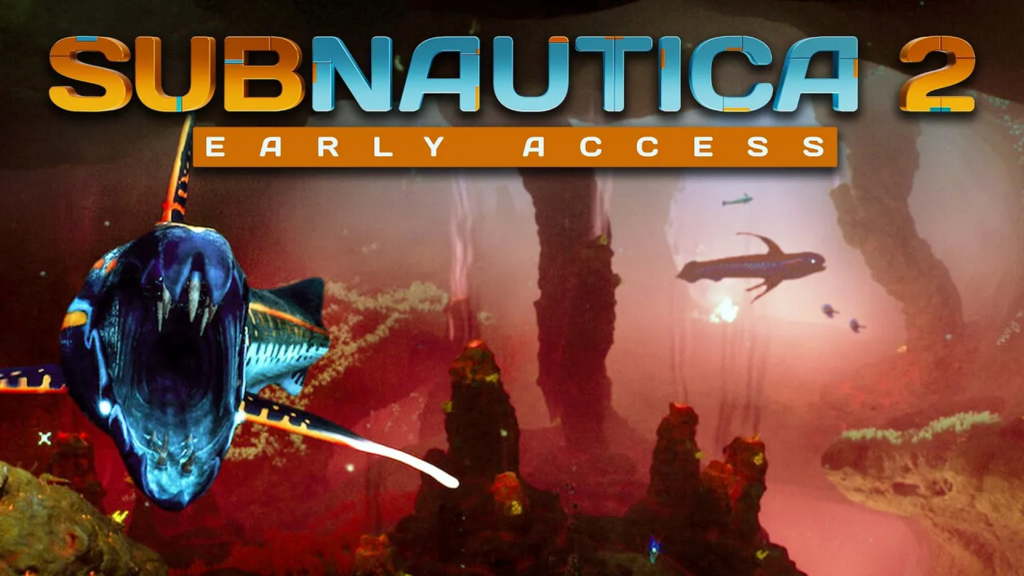
On the same day, Subnautica 2 launches in Early Access across Xbox Cloud Gaming, console, and PC. The original Subnautica has become synonymous with solo survival horror — the experience of sinking alone into the deep ocean, with nothing but the sound of one’s own breathing and the metallic groan of water pressure for company, left countless players simultaneously hooked and terrified. The sequel’s most significant change is the introduction of four-player online co-op for the first time in the series, meaning players no longer have to face the abyssal leviathans in solitude. Game Pass subscribers can dive in directly on launch day without purchasing Early Access separately. The development team has indicated that the Early Access phase is expected to last two to three years, during which new biomes, creatures, and vehicles will be added progressively.
A Different Kind of Indie Story
Beyond the three heavyweights, this Game Pass lineup includes a collection of indie games spanning a wide range of styles. The most attention-grabbing among them is Mixtape, which landed on Game Pass Ultimate and PC Game Pass on May 7. The game is set in the 1990s and fuses rhythm-based gameplay with narrative adventure. What players hear throughout the game is a fully licensed playlist of classic 1990s pop songs, all secured with perpetual licenses.
But the most heated discussion surrounding Mixtape after launch had little to do with its gameplay. According to reports, the game obtained perpetual licensing rights for all 26 of its classic pop songs from the 1980s and 1990s. The player community ran calculations based on publicly available industry data: the perpetual licensing fee for each song falls somewhere in the range of 50,000to500,000, putting the total music licensing expenditure at an estimated 1.3millionto13 million. For comparison, the entire production budget of Hollow Knight was between 100,000and500,000. In other words, Mixtape spent more money on the perpetual rights for just one or two songs than Hollow Knight spent on its entire development.
This figure triggered a community-wide conversation about the definition of “indie game.” When a game’s music licensing budget alone could fund several Hollow Knights, does it still qualify as indie? There is no settled answer to that question, but the case of Mixtape illustrates at least one thing: the boundaries of what constitutes an indie game are becoming increasingly blurred, and the label itself may no longer accurately capture the complexity of today’s market.
Beyond Mixtape, the first half of May’s Game Pass additions also include: the classic RPG Final Fantasy V, arriving on May 5; Ben 10: Power Trip, Descenders Next, Wheel World, Wildgate, and the Soulslike action title WUCHANG: Fallen Feathers, all joining in a single batch on May 6; Black Jacket and Call of the Ancient Gods arriving on May 12; and the space simulation and management title Elite Dangerous joining on the same day. Thirteen games packed into less than two weeks, combined with a freshly reduced subscription price — this May leaves Game Pass subscribers with almost no reason not to renew.