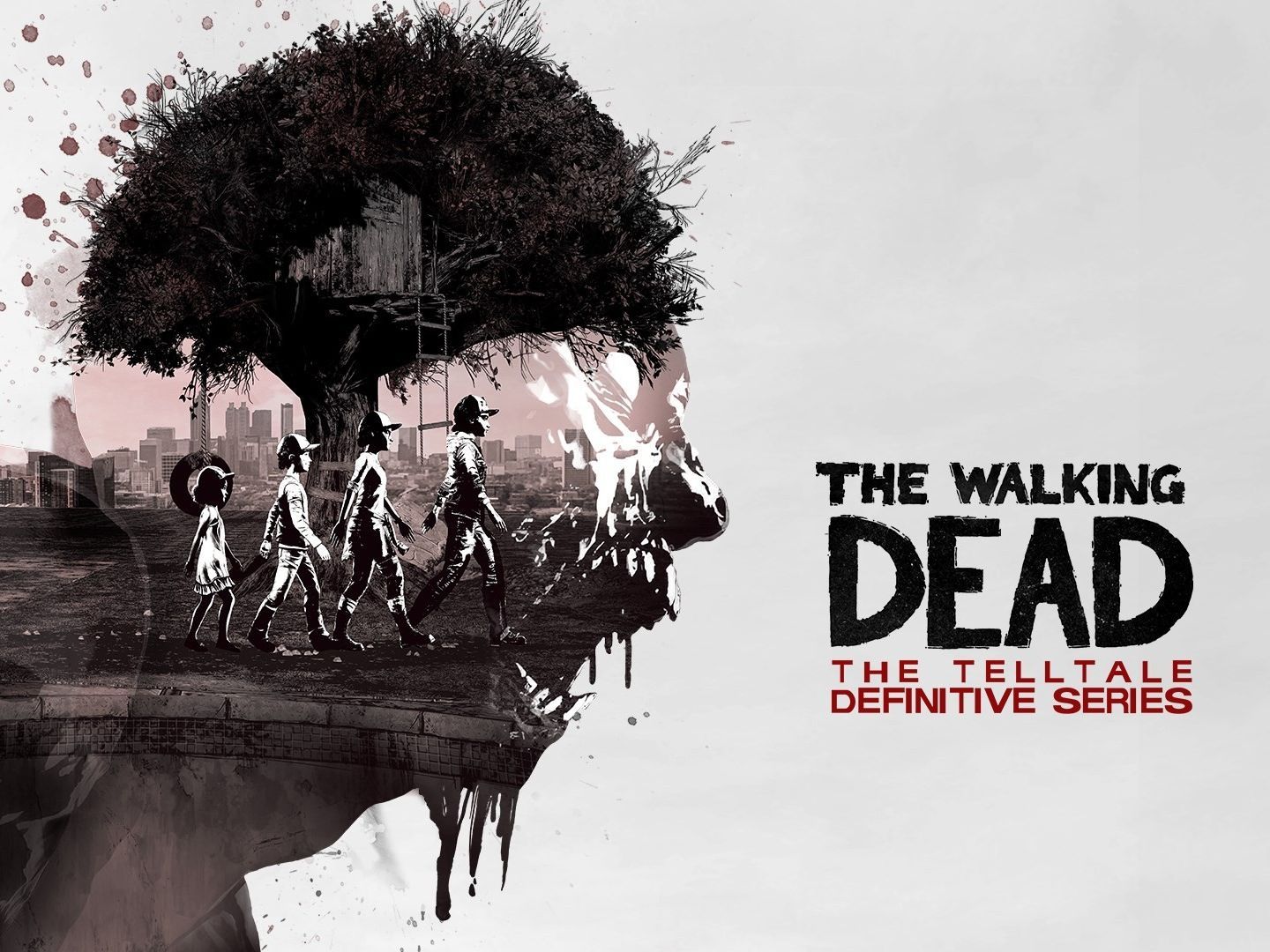
Developed by Telltale Games and completed by Skybound Games after Telltale’s closure, The Walking Dead: The Final Season was released episodically in 2018. It serves as the conclusion to Clementine’s story, a character players first met as an eight-year-old girl in the first season of the series, now a hardened teenager who has become the caretaker of a young boy named AJ. Set several years after the events of The Walking Dead: A New Frontier, the game finds Clementine and AJ at a boarding school called Ericson’s, home to a group of children and teenagers who have survived the apocalypse on their own. The season is divided into four episodes, and every major decision influences the relationships Clementine builds, the fate of the Ericson’s community, and the ultimate ending of the series.
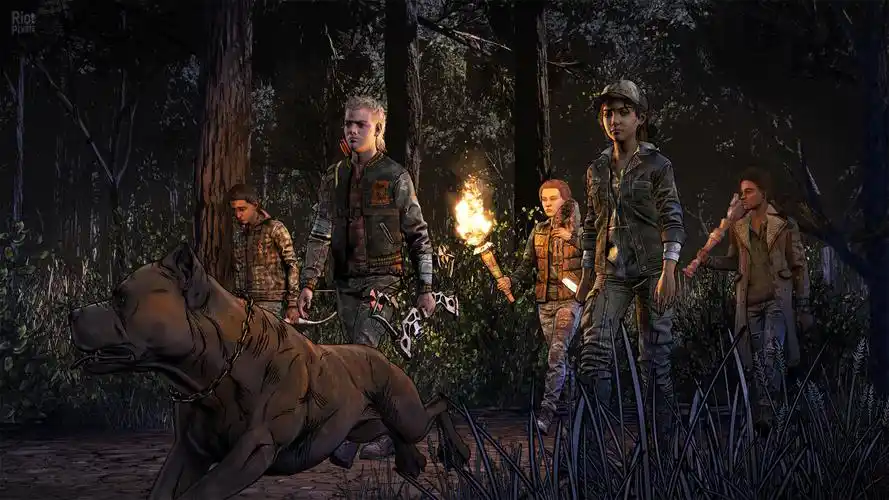
Episode 1: “Done Running” — Foundational Choices
The opening episode establishes the central dynamic that will drive the entire season: Clementine’s relationship with AJ, and the question of whether she is raising him to be capable of making hard choices in a world that punishes hesitation.
The first significant choice occurs when Clementine and AJ are scavenging an abandoned train station. AJ finds a toy and wants to keep it. Clementine can either allow him to keep the toy, teaching him that small comforts are valuable, or tell him to put it back, reinforcing the importance of practical survival over sentiment. This choice seems minor but sets the tone for how AJ develops throughout the season. If Clementine consistently prioritises practicality over empathy, AJ will become more ruthless and emotionally closed off. If she allows him moments of childhood, he will retain more compassion but may struggle with the brutal decisions required later.
The most consequential choice in Episode 1 is how Clementine handles the confrontation with Marlon, the leader of Ericson’s. When it is revealed that Marlon secretly traded two members of the group — sisters Minerva and Sophie — to a group of raiders in exchange for safety, the situation escalates. Marlon panics and threatens the group. Depending on the player’s choices throughout the episode, AJ may shoot Marlon dead, or Clementine may intervene. This moment defines the season’s central conflict: whether violence is ever justified when the perpetrator is not a monster but a scared, broken person. If AJ kills Marlon, the other children at Ericson’s will fear him and question Clementine’s ability to control him. If Marlon survives, the group’s trust in Clementine as a leader solidifies, but the underlying tensions with Marlon loyalists persist.
Episode 2: “Suffer the Children” — Trust and Betrayal
Episode 2 deepens the relationships within Ericson’s and introduces the season’s primary antagonists: the Delta, a group of raiders led by a woman named Lilly. Lilly was a member of Clementine’s original survivor group from the first season, and their history adds a layer of personal betrayal to the conflict.
The key relationship to manage in this episode is between Clementine and Violet and Louis, the two de facto leaders of the Ericson’s kids after Marlon’s removal. Violet is guarded, pragmatic, and slow to trust. Louis is warm, humorous, and uses jokes to deflect from trauma. Throughout the episode, Clementine is presented with opportunities to spend time with each of them, and her choices determine which of the two becomes her closest ally — and, optionally, a romantic interest.
The episode’s climax involves an attack by the Delta. Clementine is forced to choose between saving Violet or Louis from being captured by the raiders. The person she does not save is taken, and this choice has cascading effects throughout the remainder of the season. If Violet is captured, Louis remains at Ericson’s but is deeply shaken by the loss of his closest friend. If Louis is captured, Violet blames Clementine for the decision and her trust must be painstakingly rebuilt. There is no way to save both.
Episode 3: “Broken Toys” — AJ’s Development Reaches a Crossroads
Episode 3 is the most introspective chapter of the season. With one of their own taken by the Delta, the group at Ericson’s must prepare for a rescue mission. But the episode’s true focus is on AJ’s moral education, which reaches a critical turning point.
Throughout the episode, Clementine is forced to confront the consequences of her teachings. If she has encouraged AJ to be ruthless, he will make increasingly violent decisions without hesitation — including killing an unarmed member of the Delta who has surrendered. If she has taught him restraint, he will show mercy but may freeze in situations where lethal force is necessary. The game tracks AJ’s internal compass through a hidden morality system that is never displayed to the player but manifests in his dialogue and actions.
A pivotal scene occurs when Clementine and AJ encounter James, a former member of the Whisperers who lives alone in the forest and believes that violence against walkers — the reanimated dead — is morally wrong because they may retain some fragment of their former selves. James’s philosophy challenges everything Clementine has taught AJ about survival, and the player must decide whether to respect James’s beliefs or dismiss them as dangerously naive. AJ is present for this entire encounter and absorbs whatever lesson Clementine imparts, further shaping his worldview.
The episode ends with the group preparing to assault the Delta’s boat. The final conversation with AJ before the mission is the emotional centerpiece of the episode, and the advice Clementine gives him here directly influences his behavior during the season’s climax.
Episode 4: “Take Us Back” — The Final Choices and Endings
The final episode opens with Clementine leading the assault on the Delta’s boat to rescue their captured friend. The mission culminates in a confrontation with Lilly. Depending on the player’s choices and the state of AJ’s morality, Clementine may be able to convince Lilly to leave, may be forced to kill her, or may watch as AJ kills her without waiting for permission.
After the boat, the episode takes an unexpected turn. Clementine is bitten by a walker. The remainder of the episode is a desperate race to get AJ to safety before the infection overwhelms her. The final section of the game takes place in a barn, where Clementine’s condition worsens. AJ is faced with the same impossible choice that Clementine once faced with her own protector, Lee, years earlier: whether to kill the person he loves most to prevent them from turning, or to leave them and risk the consequences.
This is the culminating moment of the season’s entire narrative arc, and AJ’s decision is not controlled by the player directly. Instead, it is determined by the cumulative effect of every lesson Clementine has taught him across all four episodes. If AJ has learned to make hard choices, he will take action. If he has been shielded from responsibility, he will freeze. The outcome is a direct reflection of the player’s parenting of AJ over the course of the season.
The game has two broad endings. In one, Clementine survives the bite — AJ amputates her leg in time — and the pair return to Ericson’s to build a life among the community they have fought to protect. In the other, Clementine dies, and AJ must carry on alone, guided by the lessons she imparted. Both endings are narratively complete and emotionally resonant, and neither is presented as the “correct” outcome. The variation depends on whether the player prioritised AJ’s independence or his emotional security.
The final scene of the game, regardless of ending, shows AJ living at Ericson’s years later, a testament to Clementine’s legacy. The camera lingers on Clementine’s hat, now worn by AJ, before fading to black. The series ends not with the death of its protagonist — or not necessarily — but with the promise that the next generation is prepared for whatever comes next.