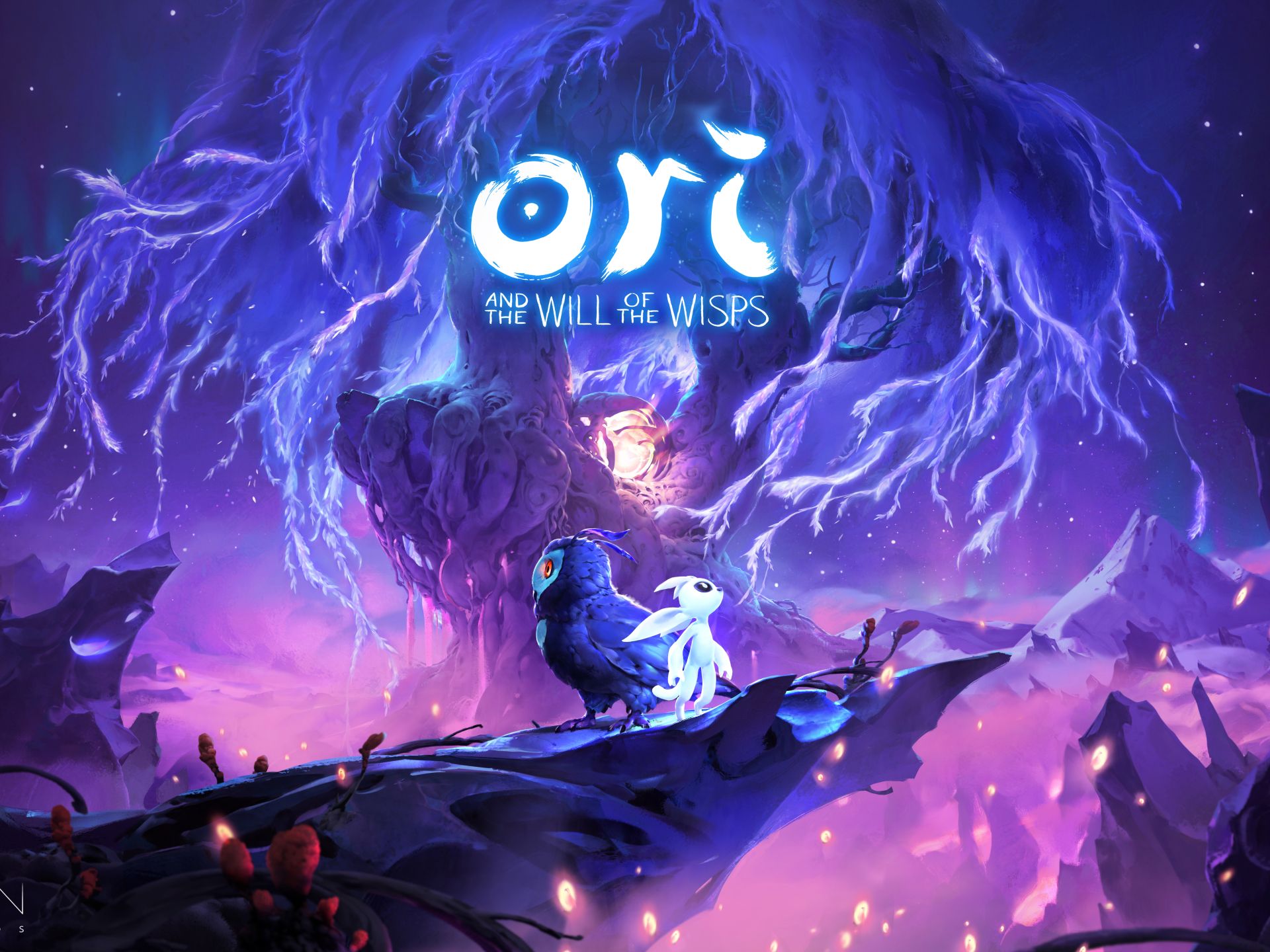
Developed by Moon Studios and published by Xbox Game Studios, Ori and the Will of the Wisps launched in 2020 as the sequel to the acclaimed Ori and the Blind Forest. The game is a Metroidvania-style action-platformer set in the lush, hand-painted world of Niwen. You control Ori, a guardian spirit on a quest to reunite with their lost family while confronting a creeping Decay that threatens to consume the entire land. The game holds a 90 on Metacritic and is widely regarded as one of the finest platformers of its generation. It expands on its predecessor in every way, introducing a more open structure, a broader array of combat abilities, and a generous checkpoint system that lowers the barrier to entry without sacrificing depth.
Ability Progression and the Optimal Unlock Order
Ori’s journey through Niwen is gated by the abilities they acquire. The game’s structure is open, and once you complete the initial story sequence, you are given broad freedom to explore. However, certain areas are inaccessible until you unlock specific movement skills. Understanding the optimal order for acquiring these abilities will save you from wasting time trying to reach areas that are not yet accessible.
Spirit Edge, the first major upgrade, is a sword-like weapon that allows Ori to perform melee attacks. Unlike the first game, which relied entirely on a homing projectile, Will of the Wisps gives Ori a proper combat moveset. Spirit Edge is also used to break certain barriers and activate environmental switches.
Double Jump is the first mobility upgrade and the foundation of all subsequent exploration. It is acquired naturally through the main story, and you should return to earlier areas as soon as you obtain it to collect previously unreachable items.
Dash is the most transformative ability in the game. It allows Ori to burst forward in any direction, passing through enemies and certain obstacles. It can be used on the ground and in the air. Once you acquire Dash, the pace of exploration accelerates dramatically. Areas that previously took several minutes of careful platforming can be crossed in seconds.
Bash returns from the first game and remains one of the most versatile tools in the genre. Bash allows Ori to latch onto enemy projectiles, lanterns, and certain environmental objects, then launch in any direction. It is simultaneously an offensive ability, a mobility tool, and a puzzle-solving mechanism. Mastering Bash is essential for reaching many of the game’s hidden areas.
Burrow is a late-game ability that allows Ori to dive into sand and snow, swimming through them as though through water. This ability unlocks several hidden regions and is required to access some of the game’s most challenging platforming sequences.
Launch is the final major movement upgrade. It allows Ori to grab onto specific anchor points and catapult themselves across vast distances. Launch is the key to reaching the highest and most remote areas of the map.
For new players, the recommended approach is to follow the main story until you obtain Dash, then spend time backtracking to earlier areas to collect Spirit Light (the game’s currency) and Life Cells and Energy Cells. Do not attempt full exploration before acquiring Dash — many areas are simply unreachable without it.
Shard System and Combat Build
Will of the Wisps introduces a shard system that allows you to customise Ori’s combat capabilities. Shards are passive abilities that can be equipped in a limited number of slots. Some shards enhance melee damage, others increase survivability, and others grant entirely new abilities.
For new players, the most impactful early-game shards are Resilience, which increases Ori’s health, and Magnet, which causes Spirit Light orbs to fly toward Ori from a greater distance, saving you from dangerous detours to collect currency in hazardous locations. Sticky allows Ori to cling to walls without sliding down, making vertical platforming far more forgiving. Overflow causes excess Energy pickups to convert into health, which can be a lifesaver during long gauntlets with no healing checkpoints.
As you progress, you will unlock shards with more specialised effects. Spirit Surge increases the damage of Spirit Edge attacks at the cost of increased Energy consumption. Thorn causes melee attacks to fire a projectile. Reckless boosts damage dealt but also increases damage taken. Shards can be swapped at any time, and the generous checkpoint system — which saves your progress automatically at frequent intervals — means that death carries very little penalty. Experimentation is encouraged.
Hidden Areas and Collectible Routes
The map of Niwen is dense with hidden areas, most of which contain Life Cells, Energy Cells, or Spirit Shards. Locating all of them requires careful attention to the map screen, which shades in areas you have visited and leaves unexplored zones as blank outlines.
The best time to pursue full collection is after acquiring Launch, the final movement ability. Launch gives Ori access to the highest points on the map, and many of the most well-hidden collectibles are positioned on elevated platforms that are only reachable through a combination of Bash, Dash, and Launch. The desert region, Windswept Wastes, contains a cluster of secrets buried beneath the sand that require Burrow to access. The waterlogged Luma Pools hide Life Cells behind waterfalls and underwater tunnels.
Spirit Trials are time-attack challenges scattered throughout Niwen. They task Ori with racing through a pre-designed obstacle course as quickly as possible, and your time is ranked on an online leaderboard. These trials are entirely optional but offer substantial Spirit Light rewards for completing them at any rank. If you are struggling to afford upgrades from the in-game merchant, participating in a few Spirit Trials can provide a quick influx of currency.
Boss Fights and Escape Sequences
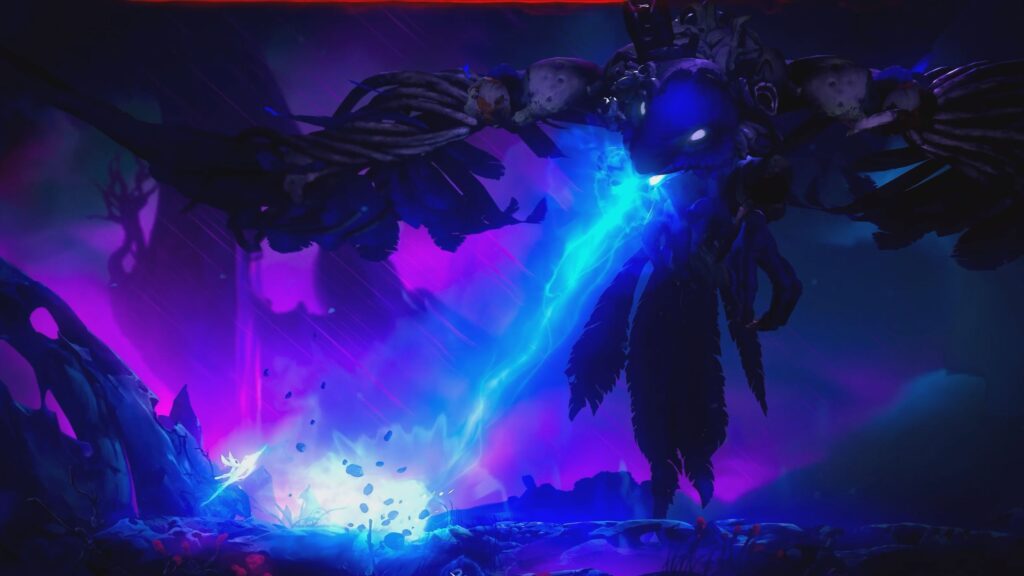
Will of the Wisps features several scripted boss encounters, each designed to test a specific combination of abilities. Howl, the first major boss, is a straightforward fight that teaches you to alternate between melee attacks and dodging telegraphed charges. Kwolok, a massive amphibian guardian corrupted by the Decay, is a multi-phase fight that requires you to use Bash to deflect projectiles and Dash to evade sweeping attacks.
The game’s most intense moments, however, are not its bosses but its escape sequences. These are extended, high-speed platforming gauntlets in which Ori flees from an overwhelming threat — a collapsing cave, a rising flood, or a pursuing predator. Escape sequences demand mastery of all of Ori’s mobility tools used in rapid succession. The margin for error is tight, and one missed jump can mean starting the entire sequence over.
The key to surviving escape sequences is preparation. Before triggering the event that begins the chase, ensure that Ori is at full health and that your Energy is fully recharged. During the sequence, trust your instincts. Overthinking a jump is far more dangerous than reacting on reflex. The checkpoints within these sequences are generous, usually restarting you only a few seconds before the point where you died.
Once you complete the main story, New Game Plus becomes available, allowing you to replay the game with all previously acquired abilities and shards. This mode is ideal for tackling the Spirit Trials competitively or for mopping up any collectibles you missed on your initial run.