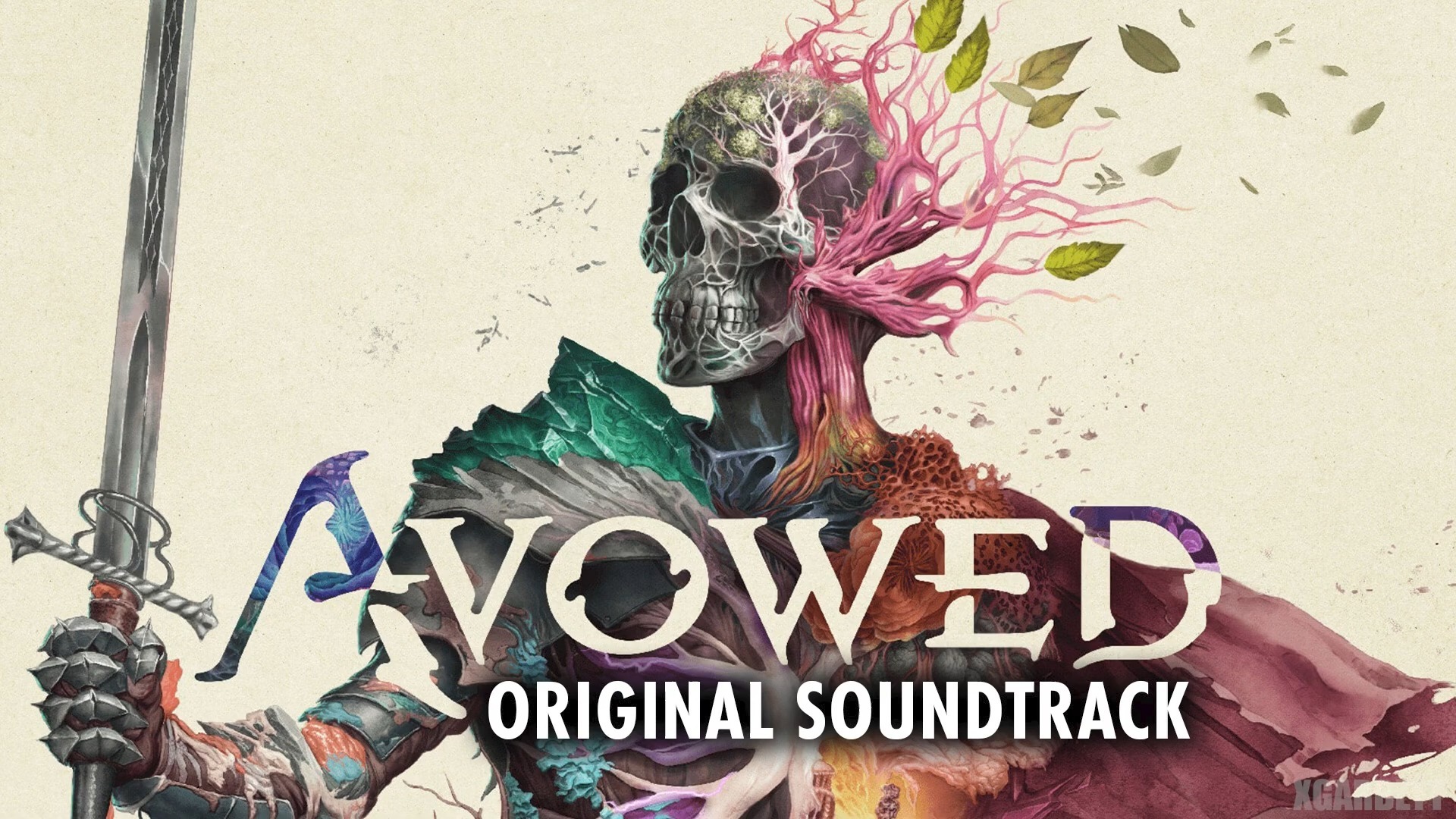
Developed by Obsidian Entertainment and published by Xbox Game Studios, Avowed is a first-person fantasy RPG set in the world of Eora, the same universe as Pillars of Eternity. You play as an envoy of the Aedyran Empire, dispatched to a mysterious island called the Living Lands to investigate a soul-plague known as the Dreamscourge. The game launched in February 2025 for Xbox Series X|S and PC, and in early 2026 received a major update titled “The Forge of Souls,” which introduced an expanded forging system, a new explorable region called the Ironfist Depths, and multiple endgame challenge bosses. This guide breaks down the combat system, character progression, and region exploration to help new players establish a foothold in the Living Lands.

Combat Core: Weapon Swapping and Action Rhythm
The combat system of Avowed is neither a traditional first-person hack-and-slash nor a pure magic shooter. Its most distinctive mechanic is the dual-weapon swapping system — you can equip two weapon configurations simultaneously (a main-hand and off-hand pair, or a two-handed weapon in one set), and switch between them instantly with a single button press during combat. This allows you to transition seamlessly between a defensive stance with a sword and shield and a burst-damage stance with dual pistols, or to move fluidly between long-range bombardment with a wand and grimoire and melee charges with a two-handed greatsword.
For beginners, a reliable combination is “Sword and Shield + Grimoire and Pistol.” The sword and shield provide stable blocking and melee survivability, serving as your default stance when enemies close the distance. The grimoire and pistol offer mid-range elemental damage and sustained fire, functioning as your core tools for initiating combat and kiting. During the early stages, it is recommended to prioritize equipping Fire or Frost spells in the grimoire — fire excels at clearing groups, while frost is effective for crowd control and interrupting enemy actions.
The rhythm of combat revolves around one principle: do not stand still. Enemy AI actively maneuvers and surrounds you; remaining stationary while attacking for more than three seconds is effectively asking to be killed. The correct basic operational loop is: fire or cast spells while staying mobile, switch to sword and shield to block and counter when enemies approach, and switch back to ranged attacks to maintain pressure when they retreat. Bind Dash to a key you are comfortable with and remain ready to trigger it at any moment — the invulnerability frames on the dash are brief but reliable, and chaining two consecutive dashes can carry you out of the attack range of most melee enemies.
Character Progression: Synergy Between Attributes, Abilities, and Equipment
The character progression system in Avowed is built around the synergy between Attributes, Abilities, and Equipment. There are six core attributes, among which Dexterity influences attack speed and casting speed, Intellect determines spell damage and area-of-effect potency, and Constitution increases health and resistances. Attribute points are extremely limited in the early game, so it is strongly advised to define your primary offensive direction at character creation. A melee-focused character should invest mainly in Might and Constitution, supplemented by Dexterity. A spell-focused character should prioritize Intellect and Perception, with Dexterity as a secondary investment. A ranged firearm-focused character should emphasize Dexterity and Perception.
Abilities are divided into Weapon Skills (swords, axes, hammers, firearms, bows) and Magic Schools (Fire, Frost, Lightning, Decay, Soul). Each level gained awards one ability point. Abilities not only increase damage of the corresponding type but also unlock new special moves. The key point is: do not attempt to master everything. A pure Fire mage, by the mid-game, becomes nearly immune to fire damage and deals bonus damage to frost enemies, but at the cost of extremely low damage output against fire-resistant foes — this is a trade-off you must accept.
The equipment system received a significant expansion with “The Forge of Souls” update. You can now use the forging station to gradually upgrade an ordinary weapon to a Soulbound tier. A Soulbound weapon not only has higher base damage but also unlocks special elemental enchantment slots upon reaching certain upgrade levels. It is recommended to upgrade at least one primary weapon to Soulbound before entering Chapter 2 — this will provide a clear numerical advantage throughout the entirety of the chapter’s combat encounters.
Region Exploration: The Danger Gradient of the Living Lands
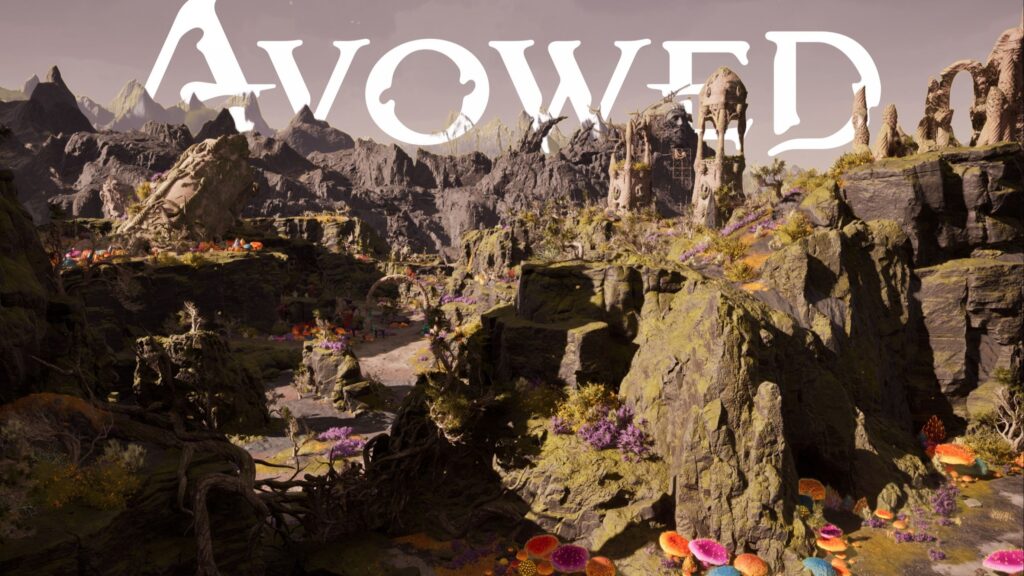
The Living Lands are composed of several interconnected open regions, each with distinct enemy types, environmental mechanics, and recommended levels. The game allows you to decide the order of exploration, but an implicit “danger gradient” exists.
Dawnshore is the starting region, recommended for Levels 1 to 8. Enemies here are predominantly beasts and low-tier undead, making it the ideal training ground for practicing weapon-swapping and dodge timing. Emerald Stair is the second region, recommended for Levels 8 to 16. Its jungle terrain is narrow and vertically layered, and the abundance of poison-based enemies means you will need to equip an anti-venom talisman or carry antidote potions. Shatterscarp is the third region, recommended for Levels 16 to 24. Volcanic terrain and fire-based enemies define this zone, and frost weapons and frost spells see a sharp increase in value here.
The newly added Ironfist Depths, introduced with the early 2026 update, is a dungeon area entirely separate from the main storyline, with a difficulty range roughly between Levels 20 and 25. All enemies here are undead and constructs, vulnerable to decay and blunt damage. After defeating the final boss of this area, you will obtain a unique forging material called Soulforged Iron, which can raise the Soulbound tier of a piece of equipment by one additional level.
Regarding exploration pacing, it is recommended to complete all side quests in the current region before moving to the next. Side quests are not only sources of experience and equipment, but more importantly, they frequently reward unique gear or ability points — resources that provide irreplaceable power increases during the early stages of the game.