If May’s new releases are the dishes laid out on the table for players, then a few things that have happened in the gaming world over the past several months are more like the ingredients sizzling away in the kitchen — they determine what this whole meal of 2026 will ultimately taste like. The following stories are worth pulling out for a closer look.
Slay the Spire 2 Practically Broke Steam
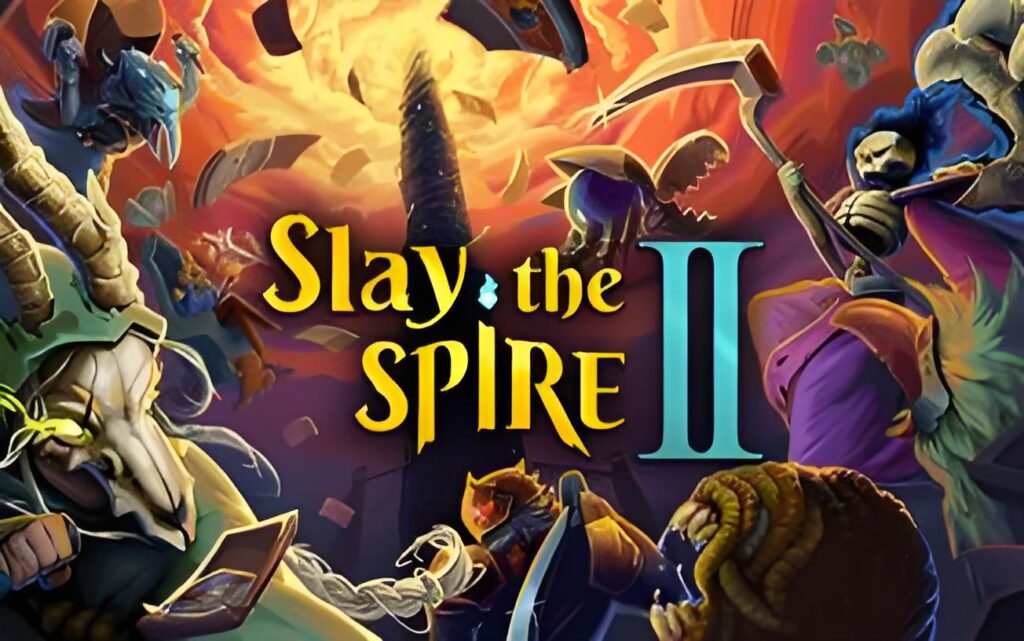
This happened back in February, but the aftershocks are still reverberating now. On launch day, Slay the Spire 2 saw its Steam concurrent player count surge to 430,000. What does that number actually mean? The original game took several years to build up that kind of heat, gradually climbing from cult favorite to genre-defining masterpiece. The sequel matched that legacy in a single weekend and turned it into a peak statistic.
More notably, this achievement shattered the all-time concurrent player record for the roguelike genre on Steam. Trailing behind it were Resident Evil 9: Requiem at roughly 340,000 and the year’s early breakout hit Mewgenics at around 110,000. In an era where AAA budgets have ballooned to routinely exceed hundreds of millions of dollars, a card-based roguelike indie game managed to leverage the smallest of scopes into the largest of player bases. As of May, the game still holds a 97% positive rating on Steam, and the heat in community discussions shows no sign of cooling. What this spells out is an increasingly undeniable trend: players’ hunger for depth of gameplay far outstrips their appetite for graphical polish.
GDC 2026: Everyone’s Feet Are Being Held to the AI Fire
This year’s Game Developers Conference in San Francisco, held in March, was bigger than ever — over 400 exhibitors and more than 700 sessions, with over 100 of those directly related to AI. Tencent Cloud rolled out a comprehensive suite of AI game development solutions, everything from voice interaction to security architecture rebuilt with AI. NVIDIA, Google, and Meta each brought their own technological roadmaps to the table.
But the most telling thing to come out of the conference wasn’t the tech itself — it was the developers’ state of mind. GDC’s official industry survey revealed that 52% of surveyed developers believe generative AI is having a negative impact on the games industry. That proportion has risen since last year. The anxiety coalesces around one question: when AI can generate art assets, write dialogue scripts, and even auto-tune level difficulty, how much irreplaceable value does human creativity actually still hold?
Contrasting with this anxiety was the unprecedented presence of Chinese games at GDC. From classics like Prince of Qin from over two decades ago to current global phenomena like Genshin Impact and Infinity Nikki, Chinese-developed games demonstrated to a global audience, through years of accumulation and iteration, a different kind of possibility: the tools may change, but the things that truly move people have never been made by tools.
Two Word-of-Mouth Breakouts, Going in Completely Opposite Directions
Over the past few months, two games have scored surprising results by heading in entirely different directions.
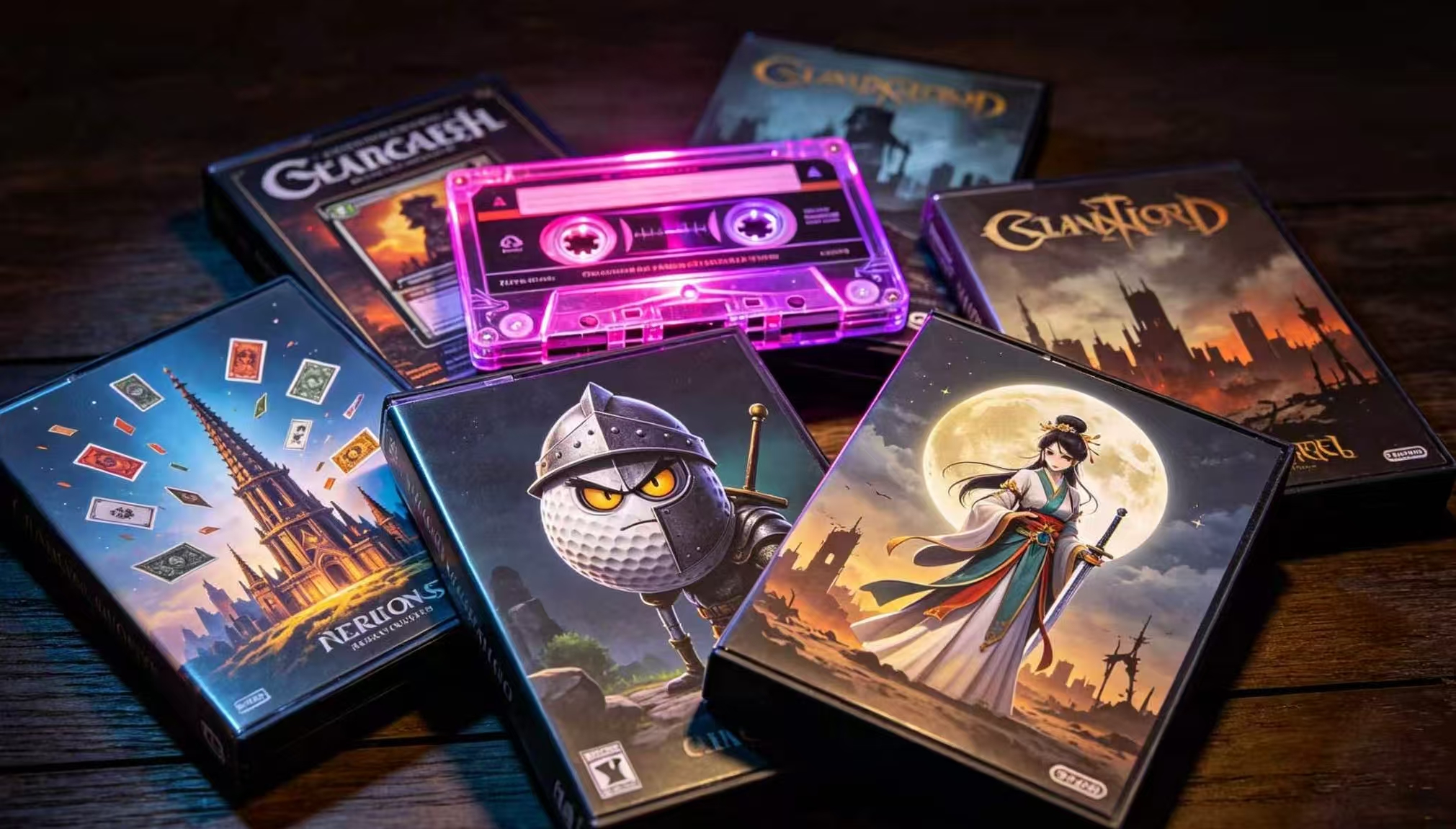
Mixtape briefly notched the highest Metacritic score of the year, with 32 critics giving it an average of 93. It fuses rhythm-based gameplay with narrative adventure — not a traditional rhythm game, nor a pure visual novel. IGN gave it a perfect score. Whether this kind of critical “rave” can translate into commercial “sale” is something that still needs time to play out.
The other game took the complete opposite path: Super Battle Golf. It quietly landed on Steam in February — no massive marketing campaign, no earth-shattering technological breakthroughs, just a multiplayer golf game. Within weeks it had sold over a million copies. Players spontaneously evangelized for it on social media, brute-forcing it into sleeper-hit status. This reaffirms a simple truth once more: a genuinely fun game doesn’t need much explaining.
Chinese Indie Games: Quietly Doing Their Own Thing
The Chinese indie game scene in 2026 presents a heartening picture — no longer in a rush to measure itself against AAA blockbusters, but instead steadily polishing its craft within individual niche genres.
Moon Princess is the sequel to Volcano Princess, transplanting the child-rearing simulation formula into a wuxia world steeped in martial arts and intrigue. With 60 characters to encounter and over 50 possible endings, the game has drawn enough international attention that DLsite’s parent company established an entirely new publishing label specifically to release it — a clear signal of how seriously the overseas market is taking this title.
Existential Treads stitches together city-building and combat, seeking new expressive possibilities within the post-apocalyptic genre. Games like this aren’t exactly rare in the Chinese indie scene, but the fact that it secured a Steam launch discount slot and earned platform-level promotional support suggests its level of polish has at least cleared a certain benchmark.
And then there’s The Scroll of Taiwu, set for release on June 17. Conchship Games has spent years refining this definitive version of the acclaimed indie title. Given the reputation the original carved out among hardcore players, this concluding chapter is bound to be an unavoidable talking point among Chinese indie games this year.