

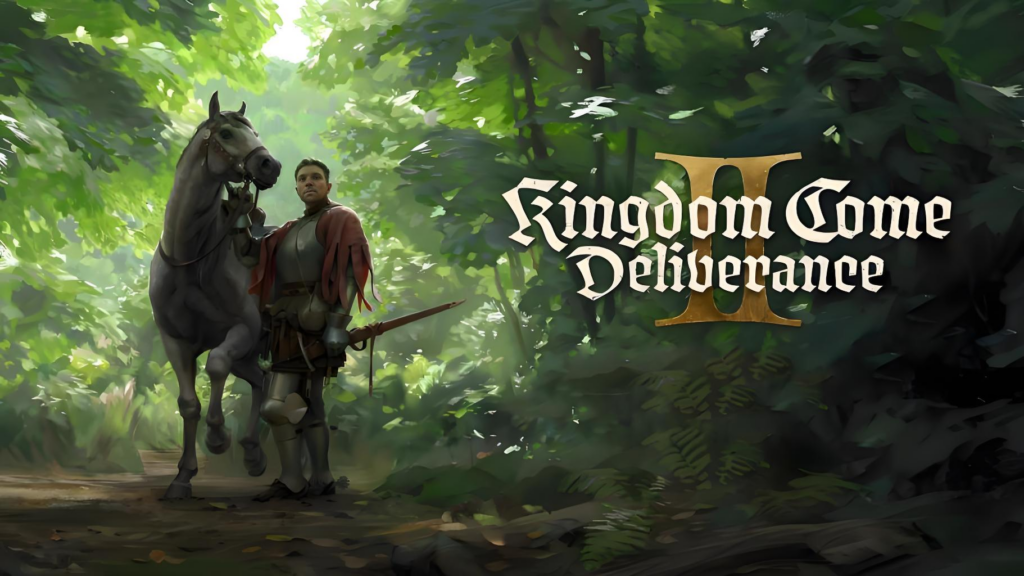
“Kingdom Come: Deliverance II” is a hardcore open-world action RPG developed by Warhorse Studios. Set in 15th-century Bohemia, it recreates the authentic medieval landscape without fantasy elements. Its core highlights are its immersive storyline, realistic survival mechanics, and deep combat system. This guide integrates core content such as beginner’s guide, story progression, and combat techniques to help both new and experienced players quickly get started, avoid pitfalls, and smoothly embark on their medieval adventure.
I. Beginner’s Guide: Survival at the Start
(I) Precautions at the Start The prologue picks up where the previous game left off. The protagonist, Henry, and Capon travel to Trotsky City to deliver a message, subsequently finding themselves without any equipment. The core objective is to reunite with von Berg and advance the main storyline. The prologue offers a high degree of freedom; wedding invitations can be obtained through various paths such as blacksmithing and flour shop commissions. Different choices will trigger different side quest interactions.
(II) Core Survival Mechanics The game’s survival system is highly realistic, requiring close attention to three core attributes to avoid impacting the character’s status:
1. Status Management: Use bandages to stop bleeding, eat to replenish nutrients, and sleep to restore energy. Pay attention to food freshness; rotten food will cause poisoning. Clean dirty clothes, otherwise it will affect NPC attitudes.
2. Time and Scene Adaptation: Prioritize daytime quests to align with NPC activity patterns. Nighttime is suitable for thief playstyles, but visibility is limited and the probability of encountering enemies is high. Paid accommodation is available at camps and taverns; free accommodation is available after completing the blacksmith Raduvan main quest.
3. Basic Interactions: Herbalism, alchemy, and weapon crafting require following a set procedure; proficiency will improve efficiency and immersion.
II. Story and Quests: Choices Affect the Course, Side Quests Cannot Be Ignored
(I) Key Points for Main Storyline Progression The main storyline revolves around the protagonist’s involvement in aristocratic wars and political maneuvering. The ending is fixed, but choices will affect plot details and NPC relationships. It is recommended to proceed steadily, prioritizing unlocking gameplay elements such as forging and alchemy, as well as key NPCs, to lay the foundation for subsequent exploration.
(II) Side Quests
Side quests are a highlight of the game. Each side quest is an independent story that is linked to the main storyline and affects NPC relationships. Talk to NPCs frequently and pay attention to quests marked with exclamation marks. Completing these quests may still lead to encounters with the NPCs in the main storyline, and building good relationships can provide assistance. It is recommended to explore them one by one and not skip any.
III. Combat System
(I) Basic Combat Mechanics
The combat system inherits the hardcore settings of its predecessor, adding squad tactics and scene interactions. New players should focus on mastering the following:
1. Core Offense and Defense: After locking onto an enemy, control the attack direction. Pay attention to the stamina bar. Pressing the defense button when a green shield appears allows for a perfect block, which is crucial for survival.
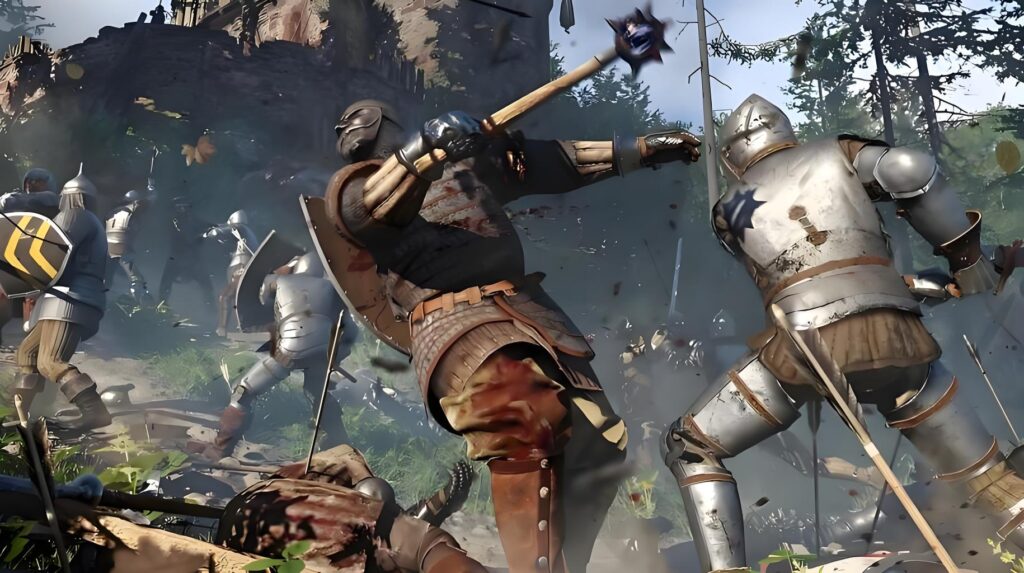
2. Weapon and Armor Compatibility: Swords deal little damage to plate armor, while maces are highly effective against it. Armor increases defense but affects movement; choose according to your needs.
3. Ranged Weapons: Bows and crossbows have no aiming reticle and are prone to swaying, making them suitable for ambushes and harassment. Ammunition is limited in the early game, so conserve it.
(II) Advanced Combat Techniques
1. Squad Tactics: Recruit 4 team members and command them in charge and defense. Team member loyalty affects the unlocking of combination skills; indifference may lead to defection.
2. Scene Interaction: Utilize environmental aids such as braziers and shelves. Weapon attacks have realistic feedback; be aware of the negative effects of body part damage.
3. Enemy Countermeasures: Bandits are likely to be encountered outside the city; riding a horse can help avoid them. When facing heavily armed or grouped enemies, prioritize depleting stamina or defeating them one by one.
IV. Resource Management
(I) Core Resource Acquisition
1. Basic Resources: Wood and ore are used for forging and construction; herbs are used for alchemy; food can be obtained through hunting, purchasing, and commissions. Prioritize stockpiling fresh food.
2.Rare Resources: High-quality ores and rare herbs must be collected in dangerous areas or obtained through side quests and defeating elite enemies. They are used to craft high-level equipment and potions.
(II) Money Making Methods
1. Core Money Making Methods: Forging weapons and brewing potions for sale are the most stable methods. With practice, you can create high-value items. Completing NPC commissions will earn you gold and resources. Gambling in taverns is high-risk and requires caution.
2. Trading Tips: Increasing NPC favorability will optimize trading prices. Prioritize selling rare items to the corresponding merchants and avoid selling key materials.
V. Unique Gameplay
(I) Forging Gameplay
Forging is a new core gameplay element. The process is realistic, requiring materials and fuel to be used and the material to be shaped. With practice, you can craft high-level weapons to sell for profit.
(II) NPC Relationships and Interactions
NPCs have independent schedules and memories. Building good relationships with NPCs will grant you exclusive assistance, while creating bad relationships may result in being refused trade or attacked, affecting the main storyline.
(III) Brief Guide to Unlocking TrophiesThis game has 49 offline trophies. The difficulty of unlocking them is moderate; platinum requires approximately 200 hours. New players do not need to deliberately grind for trophies; most trophies will be unlocked naturally as the story progresses.
VI. Tips for Avoiding Pitfalls
1. Ignoring Survival Status: Avoid prolonged periods without food or sleep, and do not consume rotten food to prevent attribute deterioration or poisoning.
2. Rushing to Advance the Main Story: Skipping side quests will cause you to miss out on plot, materials, and assistance. It is recommended to explore steadily.
3. Brute Force in Combat: New players should avoid directly confronting heavily armored or groups of enemies. Utilize blocking, environmental factors, and teamwork effectively.
4. Wasting Key Materials: Reserve ores and rare herbs early on to avoid shortages of materials for forging and alchemy later.
This concludes the comprehensive beginner’s guide to “Kingdom Come: Deliverance II”. This game focuses on “realism,” and its hardcore mechanics require an adjustment period, but its immersive experience and rich gameplay are worth exploring.